Your Cart is Empty

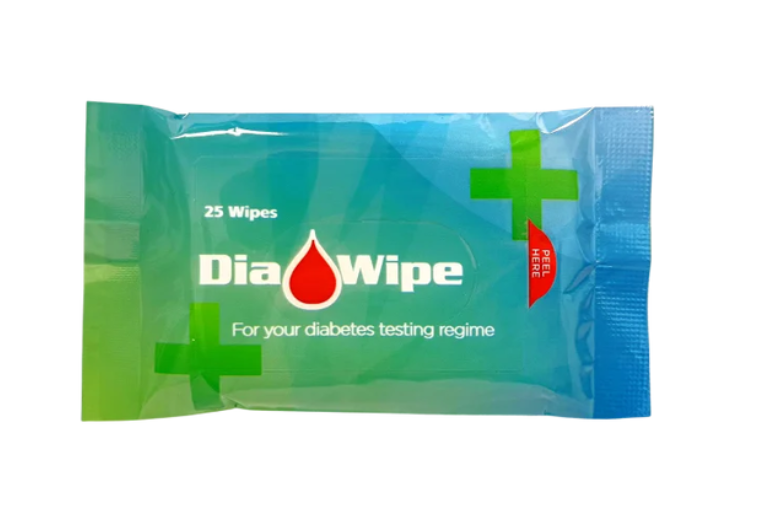
In today’s fast-paced world, hand hygiene has never been more crucial. Our hands are in constant contact with surfaces that harbor harmful bacteria and viruses. Studies show that proper hand hygiene can significantly reduce the spread of infections and protect not only ourselves but also the people around us. This is where the power of cleaning wipes becomes apparent, with products like Dia cleaning wipes stepping into the spotlight as essential tools for maintaining hygiene.
The act of washing hands removes dirt, grime, and pathogens, particularly when soap and water are used effectively. However, in situations where soap and water are not available, hand sanitizers and cleaning wipes become invaluable. Dia cleaning wipes are designed to not only cleanse the surface of your skin but also to eliminate bacteria and viruses. Their effectiveness stems from active ingredients that break down microbial structures, ensuring a thorough clean.
One of the primary advantages of using Dia cleaning wipes is their convenience. Whether you’re at home, commuting, or during a meal out, these wipes offer a quick solution to enhance hand hygiene. Small and portable, they fit easily in bags and car compartments, making it feasible to maintain cleanliness throughout your day.
Furthermore, Dia cleaning wipes are often crafted with eco-friendly ingredients, making them not only effective but also considerate of the environment. Many brands prioritize sustainability, ensuring that while you keep your hands clean, you are also minimizing your ecological footprint.
Ultimately, using products like Dia cleaning wipes reaffirms our commitment to health and hygiene. By investing in such products, we take a proactive step towards reducing the risk of infections, especially during flu seasons or while traveling. Ensuring that our hands remain clean and sanitized allows us to enjoy life’s moments with fewer health concerns.
To wrap up, hand hygiene is indispensable in our daily lives, and tools such as Dia cleaning wipes can significantly enhance our efforts in maintaining health and safety. In the next segments, we will explore more about the unique features of Dia cleaning wipes, and how they stand out in the crowded market of cleaning products.
Understanding the fundamentals of germs is essential to appreciating their impact on health, especially in communal spaces. Germs, or microorganisms, encompass a wide range of entities including bacteria, viruses, fungi, and protozoa. They exist all around us, often invisible to the naked eye, yet wield a profound influence on our health. Here's a deeper look into what these germs are and how they spread.
Germs are microscopic organisms that can be found in almost every environment. They play essential roles in our ecosystem; however, certain types can lead to diseases. Here are the main categories of germs:
Germs can be transmitted through various means, making hand hygiene absolutely critical in preventing illness. Common modes of transmission include:
In communal settings—where people gather, share resources, and interact—maintaining rigorous hand hygiene is paramount. Consider the following reasons:
In summary, understanding the science of germs and prioritizing rigorous hand hygiene are crucial steps in safeguarding our health. Utilizing cleaning solutions like Dia Cleaning Wipes not only aids in personal hygiene but also fosters a healthier environment for everyone around us.
Handwashing with soap and water is a fundamental practice in maintaining hygiene. This method effectively removes dirt, bacteria, and viruses from the hands through a combination of mechanical action and the chemical properties of soap. When performed correctly, it can significantly reduce the risk of illness.
“Hand hygiene, specifically washing hands with soap and water, is critical in reducing the transmission of infections.”
The World Health Organization strongly emphasizes that washing hands for at least 20 seconds is essential to achieve maximum removal of pathogens. This process not only cleans the surface but also disrupts microbial communities residing on the skin, making it a prefered method in clinical and everyday settings.
In situations where soap and water are unavailable, hand sanitizers with a minimum of 60% alcohol concentration can be an effective alternative. However, while they kill a broad spectrum of germs, they may not remove all dirt or infectious agents effectively. They are less effective on visibly dirty hands or when used on certain types of pathogens.
Dia Cleaning Wipes offer a portable and convenient solution for hand hygiene, especially in settings where access to soap and water is limited. These wipes are designed with antiseptic properties to kill 99.9% of germs on contact, making them a practical choice for on-the-go scenarios.
“The convenience of cleaning wipes makes it easier to maintain hygiene standards when traditional methods are impractical.”
However, it is essential to note that while cleaning wipes are effective, they do not provide the same level of dirt removal as thorough handwashing. Although they can eliminate bacteria and viruses, they should complement handwashing rather than replace it in scenarios where soap and water are accessible.
In comparing handwashing with soap and the use of cleaning wipes, several factors come into play:
Ultimately, adopting a hybrid approach to hygiene—emphasizing soap and water but supplemented by cleaning wipes when immediate access is not feasible—can significantly enhance hand hygiene practices across various settings.
Dia cleaning wipes are a must-have for any household, thanks to their remarkable versatility. From disinfecting kitchen counters after meal prep to swiftly cleaning up spills and messes, these wipes are designed to tackle a variety of surfaces with ease. Whether you’re wiping down electronics, toys, or bathroom fixtures, Dia cleaning wipes make the process quick and effective. This convenience greatly reduces the time spent on daily cleaning tasks, allowing you to focus more on what truly matters in your home.
In schools, maintaining a clean environment is crucial for the health and well-being of students and staff. Dia cleaning wipes play a significant role in promoting hygiene in these bustling spaces. Whether it's a quick wipe of desks, shared equipment, or frequently touched surfaces like door handles, these wipes are invaluable. They empower teachers and students alike to contribute to a cleaner atmosphere, fostering an environment where learning can thrive. Furthermore, educators can integrate the use of cleaning wipes into daily routines, teaching children the importance of cleanliness from an early age.
Public places such as restaurants, gyms, and transportation hubs can often be hotspots for germs and bacteria. Dia cleaning wipes offer a practical solution for individuals seeking to enhance their on-the-go hygiene. Easily stowed in a bag or car, these wipes provide a quick and efficient way to clean hands or surfaces when soap and water are not readily available. This convenience not only boosts personal health but also contributes to a safer community. With public health being more important than ever, using cleaning wipes can help mitigate the spread of illnesses in crowded environments.
In our fast-paced lives, convenience and hygiene often seem to be at odds. However, Dia cleaning wipes seamlessly merge both, offering a practical option for maintaining cleanliness while on the move. Their portable design makes it easy to pull out a wipe whenever the situation calls for it. Whether commuting on public transport, taking a break at work, or enjoying a picnic, these wipes ensure that hygiene remains a priority. By fostering the habit of cleaning hands and surfaces regularly, Dia cleaning wipes help instill a culture of health consciousness that benefits everyone.
Moreover, Dia cleaning wipes are designed with the environment in mind. Their biodegradable materials ensure that you can clean without compromising the planet. By choosing these environmentally sound wipes, you are not only caring for your own hygiene but also contributing to a healthier Earth. This aspect resonates with today’s consumers, who are increasingly aware of the impact their choices have on the environment.
In summary, the practicality of using Dia cleaning wipes spans across various environments, making them an essential tool for supporting hygiene on the go. Their versatile application in homes, schools, and public places empowers individuals to maintain cleanliness, ensuring a healthier lifestyle for everyone. Grab your pack today and experience the convenience firsthand!
The impact of cleaning wipes on our environment is a topic that requires careful consideration. While Dia Cleaning Wipes provide a convenient way to maintain cleanliness and hygiene, their environmental footprint cannot be overlooked. By understanding the nuances of biodegradable options and proper disposal practices, we can make more informed choices.
Many conventional cleaning wipes are made from materials that do not easily decompose, leading to significant landfill accumulation. According to the
Environmental Protection Agency, approximately 13 billion tons of waste are thrown away each year, contributing to ongoing environmental degradation.As consumers, it's vital to recognize the role these products play in the larger context of waste management.
Fortunately, the market has seen a rise in biodegradable cleaning wipes. These products are designed to break down more naturally, reducing their overall impact on the planet. For instance, wipes made from plant-based fibers typically breakdown within a few months when properly disposed of. This aligns with the growing consumer demand for sustainable products and allows for cleaner, greener choices.
Even with biodegradable options, proper disposal is critical. Many users are unaware that flushing wipes, even those labeled as biodegradable, can lead to severe plumbing problems and contribute to water pollution. It's crucial to follow manufacturer guidelines, utilizing garbage bins designated for disposal. Implementing responsible disposal practices not only helps protect our sewer systems but also limits the possibility of harming aquatic ecosystems.
Incorporating sustainable cleaning solutions into daily life can seem daunting, but small changes can lead to significant impacts over time. Alongside using biodegradable wipes, consider alternatives like reusable cloths and homemade cleaning solutions as part of your cleaning routine. These options reduce reliance on single-use products while encouraging a more environmentally friendly lifestyle.
Ultimately, our choices shape the future of our planet. By using Dia Cleaning Wipes responsibly and opting for environmentally friendly solutions, we can contribute to a healthier ecosystem. Let's embrace the challenge of being conscientious consumers who prioritize both hygiene and environmental sustainability.
Understanding the importance of hand hygiene is crucial, especially in times when cleanliness has taken center stage in public health discussions. However, several myths surround the use of hand sanitizers and cleaning wipes, often leading to confusion about their effectiveness. Let’s explore some of these misconceptions to clarify what you should know about maintaining effective hand hygiene.
One of the most common misconceptions is that hand sanitizers are equally effective as traditional soap and water. While hand sanitizers can effectively reduce germs, especially when soap and water are not available, they are not a complete substitute in every situation. Alcohol-based sanitizers can diminish the number of germs, but they do not remove dirt and grime from your hands as soaps do. Therefore, for visibly soiled hands, always opt for soap and water.
Many people believe that using cleaning wipes means they can skip washing their hands altogether. However, this is misleading. While cleaning wipes can help eliminate some germs on surfaces, they are not a complete replacement for hand-washing. It’s essential to wash hands regularly, especially after meals, using the restroom, or any time they become visibly dirty. Proper handwashing significantly helps in preventing the spread of infections.
Another common myth is that all hand wipes are effective in killing the same number of germs. In reality, the efficacy of cleaning wipes can vary significantly based on their formulation and active ingredients. When selecting a hand wipe, opt for those that contain antimicrobial agents and meet regulatory standards. To ensure you are performing effective hand hygiene, always check the label.
Lastly, some individuals think that after using sanitizer or cleaning wipes, their hands are entirely free from germs. This is not entirely true. While these products significantly reduce microbes on the skin, they do not eliminate all pathogens. To achieve optimal hand hygiene, consistently combine the use of sanitizers and wipes with thorough cleansing practices.
By debunking these common myths surrounding hand hygiene and utilizing proper techniques, we can effectively reduce the spread of germs and maintain a healthier environment. With the right knowledge and practices, memorable habits of cleanliness become a part of our daily lives.
In conclusion, maintaining clean hands is vital in promoting personal health and preventing the spread of illness. The use of Dia Cleaning Wipes enhances this practice by providing a convenient and effective solution to keep hands free of harmful bacteria and viruses. As we've discussed, proper hand hygiene not only protects you but also those around you, especially in communal settings such as schools, offices, and healthcare facilities.
Remember, the simple act of using Dia Cleaning Wipes can significantly impact your overall well-being and the well-being of your community. Therefore, it is imperative to incorporate this small yet effective habit into your daily routine, ensuring your hands remain a strong line of defense against pathogens.
Final Thought: As you reflect on the significance of hand hygiene, consider making Dia Cleaning Wipes an essential part of your personal care arsenal. Let us take proactive steps towards a cleaner and healthier world, one wipe at a time.
The primary purpose of SEO (Search Engine Optimization) is to enhance the visibility of a website in search engine results pages (SERPs), thereby increasing organic (non-paid) traffic to the site.
How does keyword research impact SEO?Keyword research is crucial as it helps identify the terms and phrases that potential customers are using to search for products or services. This allows businesses to optimize their content accordingly, improving search rankings and attracting targeted traffic.
What are backlinks and why are they important?Backlinks are links from external websites that point to your site. They are important because they signal to search engines that your content is trustworthy and relevant, positively influencing your site's authority and search rankings.
How often should I update my website content?To maintain and improve your SEO performance, it’s advisable to update website content regularly. This could mean adding new blog posts, refreshing old content, or updating important pages to keep them relevant and engaging for visitors.
Can social media impact SEO?Yes, while social media doesn’t directly influence SEO rankings, it can lead to increased visibility, traffic, and backlinks when content is shared. The more shares and interactions a post receives, the higher the chances it will rank well on search engines.
What is the role of meta tags in SEO?Meta tags provide information about a webpage to search engines. They include elements like the title tag and meta description, which help search engines understand the content of the page and influence click-through rates in search results.
Are there any SEO best practices I should follow?Some essential SEO best practices include optimizing your website for mobile devices, improving page load speed, using descriptive and keyword-rich URLs, and ensuring proper organization of content with headings and subheadings.
How long does it take to see results from SEO efforts?Typically, it can take 3 to 6 months to start seeing significant results from SEO efforts. However, this can vary based on competition, industry, and the effectiveness of the strategies employed.
What tools can I use for SEO analysis?There are many tools available for SEO analysis, such as Google Analytics, SEMrush, Ahrefs, and Moz. These tools provide insights into website performance, keyword rankings, and backlink analysis, helping you refine your SEO strategy.
Is SEO a one-time effort?No, SEO is an ongoing process that requires regular updates, monitoring, and adjustments to adapt to changing algorithms and user behavior. Continuous SEO efforts are necessary to maintain and improve rankings over time.